
The Small Calls That Still Make You Sweat: Rehearsing Voicemails, Sick Days, and Everyday Phone Dread With Mimicall
Big rehearsals get all the attention, but it's the small calls -- voicemails, sick days, returning a missed call -- that quietly wreck an afternoon. Here's how to rehearse them with Mimicall before you dial for real.
Some phone calls are obviously hard. Asking for a raise is hard. Quitting a job is hard. Everyone expects those to make your palms sweat. But there's a second category of call that nobody warns you about — the small ones. Leaving a voicemail. Calling in sick. Returning a missed call from a number you don't recognize. Asking a neighbor to borrow their ladder. These calls take thirty seconds and shouldn't matter, and yet they're often the ones people put off for hours, rehearsing a single sentence in the shower before they can make themselves dial. Mimicall, the AI persona phone call app, was built for the big rehearsals — job interviews, hard family talks, salary negotiations — but it turns out the small ones benefit just as much, maybe more, because there's so little room to improvise when what you need to say is only one line long.
Key Takeaways
- Small, "low stakes" phone calls (voicemails, sick-day calls, returning missed calls) trigger disproportionate anxiety because there's no room for a do-over — you get one shot at a short script.
- Mimicall lets you create an AI persona to voice the other side of a mundane call before you make it for real, using instant or scheduled AI phone calls.
- Conversational AI in a Mimicall call combines natural-language understanding, text-to-speech, and turn-taking timing to produce a rehearsal that actually sounds like the real conversation, not a script read-through.
- You don't need a big occasion to practice a phone call — a two-minute rehearsal before a routine call can measurably lower the dread of dialing.
- Mimicall's free credits make it easy to try a rehearsal call before deciding whether the habit is worth keeping.
Why do the small calls feel harder than the big ones?
It sounds backwards. A performance review changes how your manager sees you for a year. A voicemail changes nothing except whether someone calls you back. And yet plenty of people will schedule an entire afternoon around avoiding a two-line voicemail. Part of the reason is exposure: you've had years of practice handling big, formal conversations because school, work, and family all force you into them. Nobody trains you to leave a voicemail. There's no rehearsal built into daily life for "hi, this is calling about the thing, call me back" — you either nail it cold or you fumble, re-record, fumble again, and give up and text instead.
The other part is that short calls are unforgiving. In a long conversation, one awkward sentence gets buried in twenty better ones. In a fifteen-second voicemail, that one awkward sentence is the entire message. There's no room to recover. That's exactly the kind of situation an AI phone call app is suited for — a private space to say the awkward sentence out loud, more than once, before it has an audience.

What does it actually sound like to rehearse a voicemail with an AI phone call app?
Open Mimicall, pick or build a persona — you can set the personality, the backstory, even the voice — and either call it instantly or schedule it for later, say five minutes before you actually need to make the real call. Say what you'd say if the real recipient's voicemail box picked up. The AI on the other end responds like a real listener would: it can play the part of a receptionist, a landlord, a coworker covering the front desk, whatever the actual call requires. You hear your own sentence out loud, notice where it runs long or trails off, and try it again. By the third attempt it usually sounds less like a script and more like a person talking.
This works because conversational AI voice calls are no longer built on canned audio clips stitched together — they render speech from language in real time, so a Mimicall persona can respond to whatever you actually say rather than a fixed set of pre-recorded lines. Modern text-to-speech models reproduce pacing, pause length, and intonation closely enough that most people stop consciously noticing the voice is synthetic within the first exchange or two. And because the underlying natural language processing tracks conversational context rather than matching keywords, an AI phone call can follow a real back-and-forth instead of resetting to a canned response every time you go off script.
Can rehearsing "calling in sick" actually reduce anxiety?
For a lot of people, the anxiety isn't about the words — it's about the uncertainty of how their voice will sound, whether they'll stammer, whether the person on the other end will ask a follow-up question they haven't prepared for. Rehearsing collapses that uncertainty. If you've already said "I'm not feeling well, I don't think I should come in today, can we cover my shift" out loud to an AI persona playing your manager, and it followed up with "do you need me to find someone to cover?", you're not improvising for the first time when the real call happens. You've already handled the follow-up once.
This is the same mechanism behind Mimicall's interview-prep and hard-conversation posts, just applied to something that takes sixty seconds instead of an hour. The size of the occasion doesn't determine whether rehearsal helps — the presence of real-time pressure does, and small calls have plenty of it.
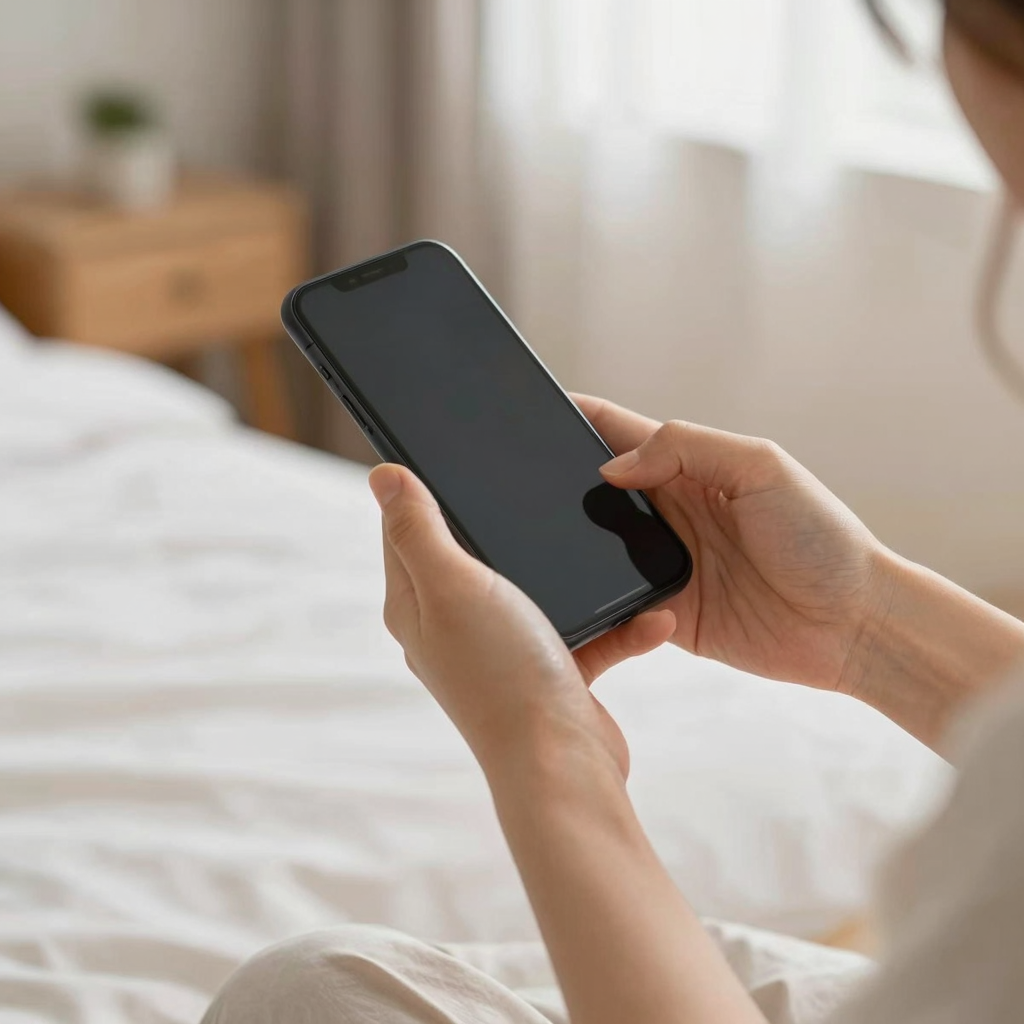
How do instant AI phone calls fit into a five-minute panic before you dial?
This is where the instant-call option matters more than it might for a big scheduled rehearsal. Nobody plans three days ahead to return a missed call — the dread shows up the moment the notification does, and it either gets handled in the next few minutes or it gets pushed to "later," which quietly becomes never. An instant AI phone call takes as long to start as opening the app, which means the rehearsal can happen inside that same five-minute window instead of requiring you to block out time later. Scheduled calls are still useful for the calls you can see coming — a sick day you already suspect is coming tomorrow, a voicemail you know you'll need to leave after a doctor's appointment — but instant calls are what make rehearsal realistic for the calls that ambush you.
Can an AI call my phone whenever one of these moments hits?
Yes — that's the core mechanic. You're not calling a bot embedded in an app; Mimicall places an actual phone call to your verified number, so the rehearsal happens the same way the real call will: phone to ear, no screen to read from, no typing. That detail matters more than it sounds like it should. Practicing by typing out what you'd say trains you to write a good sentence. Practicing by saying it out loud, into a phone, to something that talks back, trains you to say a good sentence — which is the actual skill the real call requires.
FAQ
Do I need a different persona for every kind of small call? Not necessarily. Many people keep one or two general-purpose personas — a calm, patient voice — and just tell it what the situation is at the start of the call ("pretend you're my dentist's front desk and I'm calling to reschedule"). You can also build a more specific persona if you rehearse the same type of call often, like checking in on aging parents or calling into a customer service line.
Is it weird to rehearse something this small? Not to the people who already do it in the mirror or in their car before dialing. Mimicall just moves that same rehearsal into an actual back-and-forth conversation instead of a monologue, which is closer to what the real call will demand.
How is this different from just texting instead of calling? Texting sidesteps the anxiety instead of resolving it, and plenty of calls — sick days, landlords, doctor's offices — still expect or require an actual phone call. An AI phone call app lets you keep making real calls without the dread being the reason you avoid them.
What if the real call goes differently than the rehearsal? It usually will, at least a little — that's normal. The value isn't in scripting an exact exchange, it's in getting your first sentence out smoothly so the rest of the conversation isn't starting from a stammer.
Not every phone call needs a strategy session. But the ones that quietly eat up your afternoon because you can't make yourself dial deserve at least two minutes of practice, and that's really all rehearsing with Mimicall takes. Ten free credits are enough to try it on the next voicemail, sick-day call, or awkward callback sitting in your notifications right now — open mimicall.app, build a quick persona, and get the dreading part over with before the real call ever happens.